
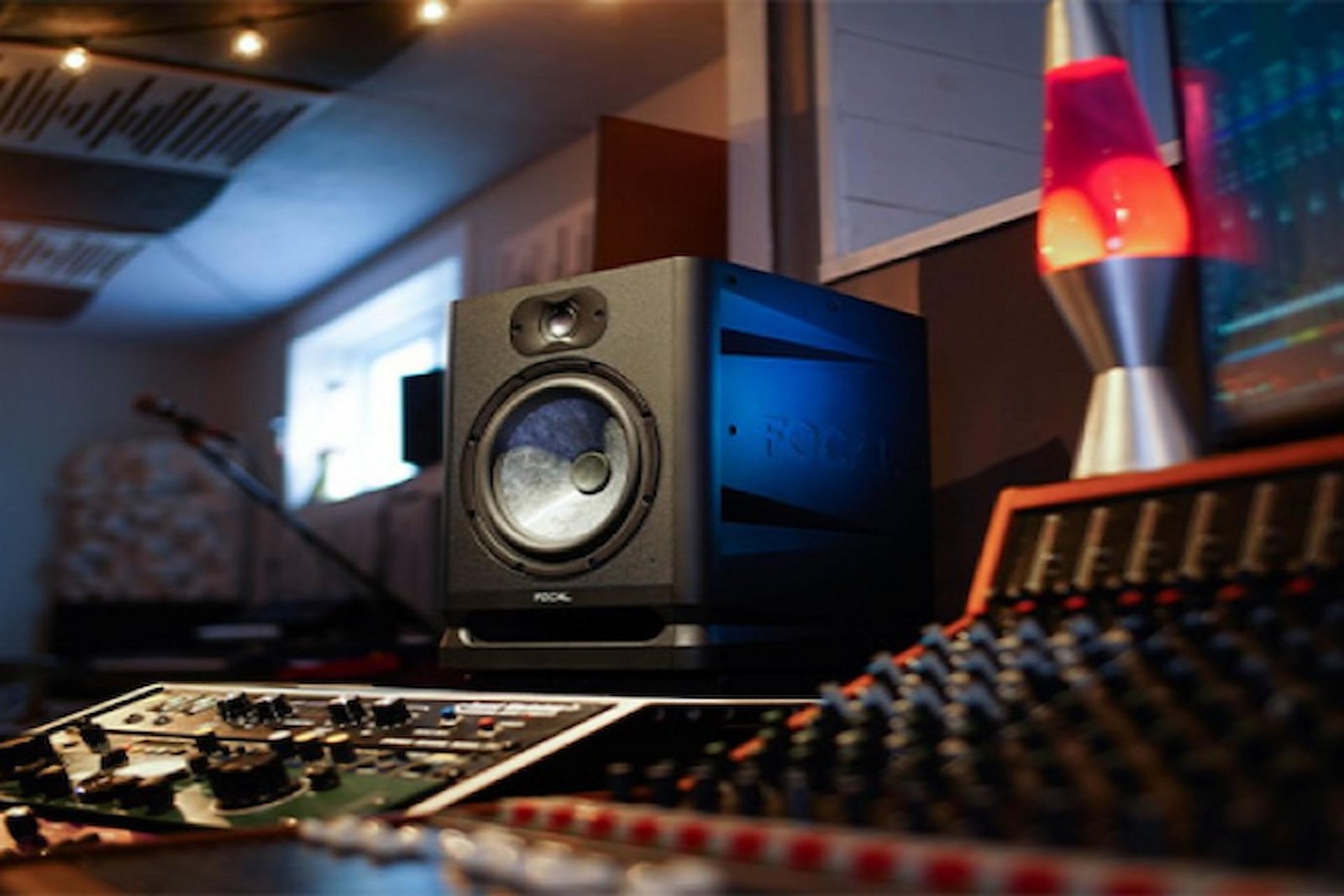
At first glance, a speaker may seem like a simple box that produces sound. In reality, there is a careful process behind how it is designed and built. Every part, from the outer cabinet to the smallest internal component, plays a role in shaping how sound is delivered.
Understanding this process helps explain why some systems perform more consistently than others, especially in demanding environments.
It Starts with Purpose and Use Case
Before any physical design begins, manufacturers define how the speakers will be used. A system built for a small indoor venue has different requirements compared to one used in large open spaces.
This early stage shapes key decisions such as size, power handling, and sound coverage. Designers consider factors like audience size, typical environment, and expected volume levels.
For professional audio speakers, this planning stage is critical. These systems are often expected to perform across different setups, so flexibility and reliability are built into the design from the start.
Driver Design and Sound Production
The core of any speaker is its driver. This is the component responsible for converting electrical signals into sound. Most systems use a combination of drivers to handle different frequency ranges.
Low-frequency drivers manage bass, while high-frequency drivers handle treble. Some systems include mid-range drivers for added balance. Each driver is designed with specific materials and shapes to achieve accurate sound reproduction.
The challenge is not just producing sound, but producing it clearly and consistently. Engineers test how these drivers respond under different conditions to ensure they maintain performance without distortion.
Cabinet Construction and Acoustics
The outer structure of a speaker is not just for protection. It directly affects how sound behaves. The shape, size, and material of the cabinet influence resonance, airflow, and overall clarity.
Poorly designed enclosures can cause unwanted vibrations or colour the sound in unintended ways. To avoid this, manufacturers use materials that reduce internal resonance and improve durability.
In many professional audio speakers, the cabinet is engineered to support both sound quality and physical strength. This ensures the system can handle transport, setup, and long periods of use without compromising performance.
Crossover Systems and Signal Management
When multiple drivers are used, the audio signal needs to be divided correctly. This is handled by a crossover system, which directs specific frequency ranges to the appropriate drivers.
Without a well-designed crossover, sound can become unbalanced or unclear. Frequencies may overlap or fail to reach the right components, affecting overall output.
Engineers spend time refining these systems to ensure smooth transitions between frequencies. The goal is to create a seamless listening experience where no part of the sound feels disconnected.
Testing and Performance Tuning
Once the physical components are assembled, testing begins. Speakers are evaluated in different environments to measure how they perform under real-world conditions.
This includes checking frequency response, output levels, and durability. Adjustments are made to fine-tune the system, ensuring it meets the intended performance standards.
For professional audio speakers, testing is often more extensive. These systems need to perform reliably across various settings, from indoor venues to outdoor events.
Balancing Performance and Durability
Designing speakers is not just about achieving the best sound. It is also about ensuring the system can withstand regular use. Materials, internal components, and construction methods are selected with durability in mind.
This balance between performance and strength is what allows speakers to maintain quality over time. A system that sounds good but fails quickly does not meet practical needs.
Manufacturers aim to create products that deliver consistent results without frequent maintenance or replacement.
What may appear simple on the outside is the result of careful engineering and continuous refinement.